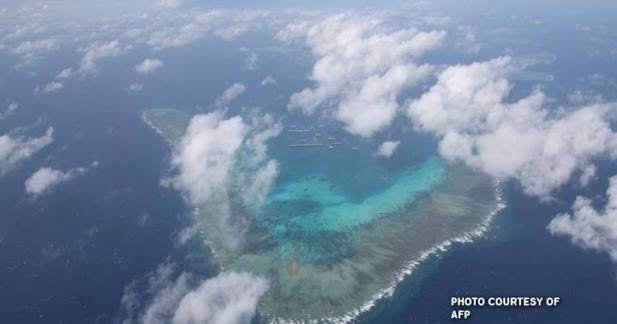
The past week saw a fresh escalation of incidents in the South China Sea and the West Philippine Sea, centred on a contested medical evacuation and a broader rise in Chinese maritime activity. Philippine authorities say a medevac from around Ayungin (Second Thomas) Shoal was delayed and disrupted by China Coast Guard actions including the use of a water cannon and warnings; Manila and Beijing have exchanged blame. The incidents come as Philippine officials report a near‑doubling of Chinese vessels in disputed waters, raising alarm in Manila and prompting calls for stronger regional rules, continued diplomacy and a binding Code of Conduct.
Medevac at Ayungin Shoal turns into standoff; China and Philippines trade blame
Philippine and Chinese accounts diverged after a medical evacuation near Ren’ai (Second Thomas/Ayungin) Shoal on Oct. 8 that Philippine authorities say was delayed and obstructed by the China Coast Guard. Philippine reporting described a China Coast Guard cutter reportedly using a water cannon that stopped a Philippine Coast Guard ship involved in the medevac short of its objective; the PCG also said the CCG delayed evacuation of Philippine Navy personnel. Beijing issued warnings accusing the Philippine side of infringements and provocations after a PCG vessel transported an injured person from a grounded vessel near Ren’ai. Manila and Washington subsequently condemned what they described as dangerous tactics at Second Thomas Shoal.
The incident triggered a diplomatic exchange, with Chinese authorities warning the Philippines to stop alleged provocations, and Philippine agencies deploying assets to confront what they described as unauthorised activity, including a reported Chinese ship conducting research in Philippine waters. International and regional media reported the episode as part of a renewed pattern of confrontations between Chinese and Philippine vessels in contested waters.
Sources: Beijing and Manila trade blame over South China Sea medical mission – South China Morning Post | PCG: China Coast Guard delays PH Navy personnel’s medical evacuation from Ayungin Shoal – GMA Network | China Warns Philippines after South China Sea Medical Evacuation, Aircraft Standoff – Defensemirror.com | Philippine Coast Guard Ship Stopped Short By China Coast Guard Cutter Using Water Cannon During Medevac – Marine Insight | Philippines, U.S. condemn China’s dangerous tactics at Second Thomas Shoal – Indo-Pacific Defense FORUM
Philippine authorities report near‑doubling of Chinese vessels and spike in incidents
Philippine officials and defence reporting said there has been a marked increase in Chinese maritime presence and a recent spike in confrontations in the South China Sea and Luzon Strait. The Philippine government flagged what it described as a near‑doubling of Chinese vessels operating in disputed waters, an assessment carried by multiple outlets, and U.S. Naval Institute reporting pointed to an uptick in incidents between Philippine and Chinese vessels.
The surge in reported activity coincides with confrontations such as the Ayungin medevac episode and with Manila deploying coast guard and military assets to monitor and respond to what it characterises as unauthorised Chinese operations. Regional outlets and the Philippine military have repeated warnings about higher operational tempo and more frequent close encounters.
Sources: Philippine and Chinese incidents spike in South China Sea, Luzon Strait – USNI News | Philippines flags near-doubling of Chinese presence in disputed waters – Hong Kong Free Press | Philippines flags near-doubling of Chinese presence – The Manila Times
Manila leaders warn of escalation, push for Code of Conduct
President Ferdinand Marcos Jr. and senior Philippine officials signalled alarm at recent incidents, describing a new and riskier phase in the West Philippine Sea. Marcos said the Philippines has been forced into a posture of managing the dispute to avoid dangerous escalations, warned that miscalculation could trigger uncontrolled escalation, and indicated that the Ayungin Shoal episode could affect ASEAN‑China talks on a South China Sea Code of Conduct. He has publicly urged a binding arrangement and set a target of finalising a Code of Conduct by year‑end.
Philippine defence leadership characterised aspects of China’s activity as illegal, reflecting the government’s diplomatic push for rules and mechanisms to reduce the risk of confrontation even as Manila maintains coast guard and military responses at sea.
Sources: Marcos says Philippines ‘resigned’ to managing South China Sea dispute – South China Morning Post | Marcos sees ‘new phase’ of escalation in West Philippine Sea – Inquirer.net | Marcos aims for South China Sea Code of Conduct by year-end – Daily Tribune | Philippine defence chief labels China’s actions as illegal – Bol News
International scientific conference urges stronger rules and cooperation
Delegates at the 18th International Scientific Conference on the South China Sea in Hanoi called for measures to strengthen the rule of law, predictability and cooperative management of the maritime commons. Conference reporting emphasised the importance of substantive cooperation, self‑reliance and predictable behaviour among claimants and users of the sea to maintain regional stability amid heightened tensions.
The meetings and final statements come as regional governments confront rising maritime activity and repeated close encounters, and they underscore diplomatic and technical channels being used to discuss rules and practical cooperation in the South China Sea.
Sources: 18th International Scientific Conference on the South China Sea – Vietnam.vn | Conference calls for stronger rules and cooperation – Nhan Dan Online
Incidents off Palawan: militia vessel and sampans reported in territorial sea
The National Task Force for the West Philippine Sea condemned an intrusion by a vessel described as a Chinese maritime militia and 22 sampans into the territorial sea off Kota Island, Palawan. Philippine reporting said the intruders were accused of unauthorised fishing and of dumping waste in Philippine waters, underscoring continuing localised pressures on coastal communities and resources.
The episode adds to the catalogue of recent confrontations and high‑visibility patrols in the area, and it illustrates how state and non‑state maritime actors have been involved in incidents close to Philippine shores.
Sources: Chinese militia vessel, 22 sampans intrude into Palawan waters – Philstar.com
Diplomat‑led rescue and commercial developments amid tensions
Separately from the state‑level confrontations, a diplomat, Ian Hamilton, led an operation to rescue refugees found afloat in the South China Sea, an episode reported internationally that highlights ongoing humanitarian incidents in the busy maritime area.
At the same time, industry activity continued: media reporting noted that a 16 MW floating wind turbine has been brought online to supply power to an oilfield in the South China Sea, demonstrating ongoing commercial and energy operations even as geopolitical tensions rise.
Sources: Diplomat Ian Hamilton led operation to save refugees afloat – The Globe and Mail | World’s first 16 MW floating wind turbine powers oilfield – Interesting Engineering
Analysis: governance and competing approaches in the South China Sea
Analysts have pointed out that China is moving beyond declaratory claims to practising forms of governance and normative influence in the South China Sea, shaping maritime order through operational presence, law enforcement activity and other mechanisms. That analytical perspective frames many recent incidents as part of a broader process by which claimants exercise control and manage maritime spaces, a dynamic that outside observers say raises challenges for dispute management and regional stability.
Sources: China is not just claiming the South China Sea — it is learning to govern it – RUSI
Regional commentary: the Philippines’ strategic dilemma
Opinion pieces and regional commentary have described Manila’s predicament as one of balancing measured responses to repeated Chinese pressure while seeking binding regional rules to reduce the risk of miscalculation. The commentary highlights the political and strategic constraints that shape Philippine choices as incidents at sea continue to test maritime boundaries and diplomatic options.
Sources: Playing it safe in the South China Sea: the Philippines dilemma – Kompasiana.com
Conclusion: The medevac standoff, local intrusions, and Manila’s reports of a near‑doubling in Chinese vessels have intensified an already fraught maritime environment. Philippine leaders are pressing for a binding Code of Conduct and continued diplomacy even as coast guard and military units remain active at sea. Scientific and policy fora in the region have urged stronger rules and cooperative mechanisms to reduce risks, while humanitarian rescues and commercial projects continue to underscore the South China Sea’s strategic and economic importance.