The South China Sea has seen a fresh round of strategic moves that have heightened regional tensions: satellite imagery and reporting indicate new Chinese infrastructure and surveillance capabilities on features such as Yagong Island, while the People’s Liberation Army Navy (PLA) has staged live‑fire drills and patrols. The Philippines, for its part, is pressing ahead with construction on occupied features and has rejected Chinese requests regarding the grounded BRP Sierra Madre, even as it deepens security cooperation with partners and conducts multilateral maritime activities. The developments matter because they reflect a widening contest over presence, surveillance, access and maritime claims that affects navigation, resource governance and the security of littoral states.
Chinese infrastructure and expanded surveillance across the South China Sea
Reports and satellite imagery show new Chinese infrastructure appearing on Yagong Island in the Paracels (Xisha), prompting objections from Vietnam and regional concern over Beijing’s growing presence. Separately, reporting indicates an emergent Chinese radar site and a newly released Chinese seabed map said to have higher resolution than comparable Western charts, suggesting expanded surveillance and mapping capabilities that could enhance Beijing’s oversight of maritime approaches. Analysts and commentaries in the region have flagged these moves as part of broader efforts by Beijing to consolidate maritime advantage through presence, mapping, and non‑naval instruments including maritime militia and port and personnel investments.
Sources: South China Morning Post: South China Sea island build-up heightens Vietnam’s security concerns | News item: China Expands Its ‘Eyes’ in the South China Sea as New Radar Site Emerges | News item: Chinese map of South China Sea floor has ‘twice the resolution’ of Western ones
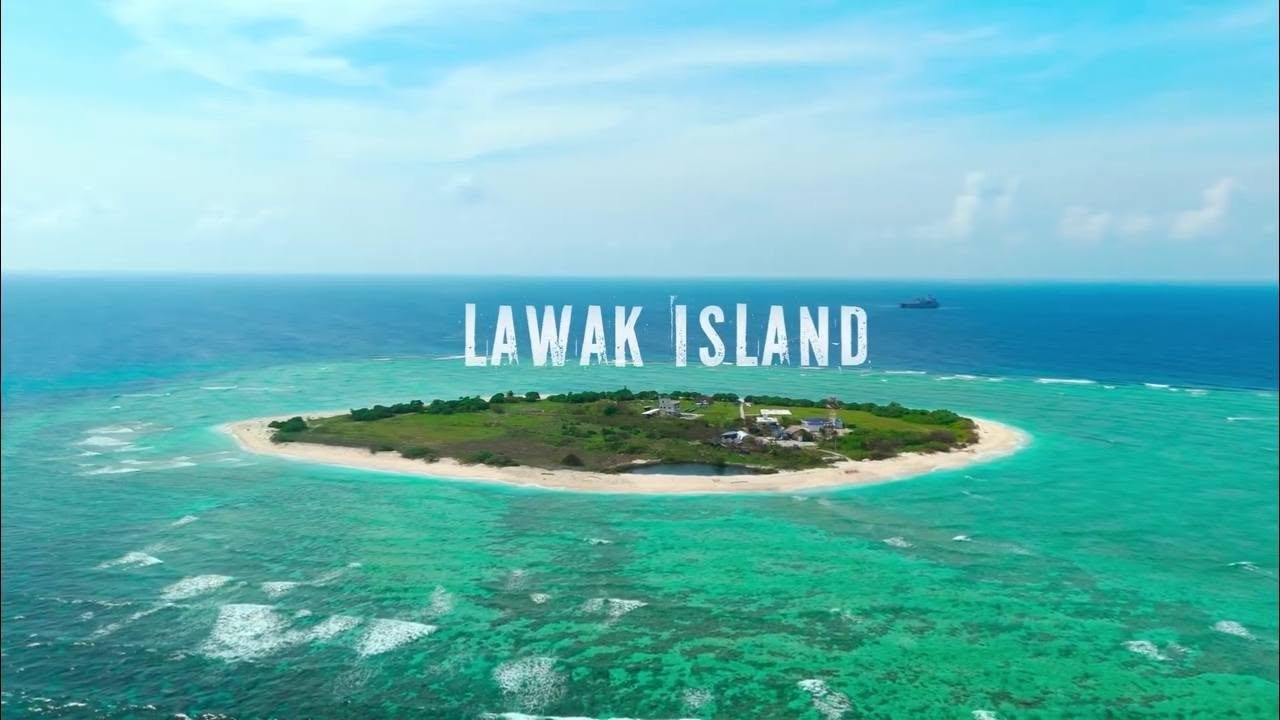
Philippines continues Lawak Island shelter port works despite Chinese protests
The Philippine government has continued construction of a shelter port on Lawak Island despite formal protests from China. Local reporting indicates the works proceeded in late August and were publicly noted as ongoing while Beijing lodged objections to the activities. Philippine authorities have maintained construction activity on features they control even amid diplomatic friction.
Sources: The Manila Times: PH construction of shelter port on Lawak Island continues despite China protest
Allegations of Chinese groundwork at Scarborough Shoal raise concerns for Batanes
An ex‑US officer warned that China may be laying groundwork for a takeover of Scarborough Shoal and could press claims in ways that affect areas such as the northern Philippine province of Batanes. Local experts have similarly cautioned that Chinese activity around Scarborough Shoal could create risks for Batanes, underscoring anxieties over potential spillover of maritime claims and enforcement activities toward Philippine northern waters.
Sources: News item: China laying groundwork for Scarborough Shoal takeover, possible Batanes claim — ex‑US officer | Palawan News: Experts warn China’s Scarborough Shoal push could put Batanes at risk
Philippines rejects Chinese request to tow grounded BRP Sierra Madre
The Philippine government rejected a Chinese request to tow away BRP Sierra Madre, the World War II‑era vessel deliberately grounded on a reef as a Philippine outpost. Reporting notes Manila’s refusal to accede to Beijing’s call, reflecting Manila’s insistence on maintaining the vessel as part of its presence on features in the disputed waters.
Sources: Manila Bulletin: PH rejects China’s call to tow away BRP Sierra Madre
PLA live‑fire drills, patrols and AFP monitoring in the West Philippine Sea
State reporting indicated that PLA destroyers conducted a live‑fire drill in the South China Sea and that the PLA carried out combat‑readiness patrols around Huangyan Dao. Meanwhile, the Armed Forces of the Philippines said it monitored dozens of China Coast Guard and PLA Navy vessels in key West Philippine Sea areas during August, reporting the count of monitored CCG and PLA‑N units at 56. The combined pattern of drills, patrols and persistent vessel presence has drawn Philippine attention and monitoring efforts.
Sources: Global Times: PLA destroyers Weinan, Zunyi, Changsha, Guilin hold live‑fire drill in South China Sea | Global Times: PLA conducts combat readiness patrols around Huangyan Dao | AFP monitoring report (social post): AFP said it monitored 56 CCG and PLA‑N vessels in key West Philippine Sea areas
Allied naval drills and security ties deepen around the West Philippine Sea
Multilateral naval activity has continued in the area. The United States, Japan and the Philippines held drills in the South China Sea, and the Philippines in late August also took part in multilateral maritime activity with Australia and the United States. Separately, reporting noted a proposed visiting forces arrangement between the United Kingdom and the Philippines to allow temporary troop access, which observers view as deepening ties between Manila and NATO partners and bolstering efforts to safeguard trade routes through the South China Sea.
Sources: tovima.com: US, Japan and Philippines Hold South China Sea Drills | South China Morning Post: UK‑Philippines troop deal to boost Nato’s South China Sea reach | Social‑post report: Multilateral maritime activity involving the Philippines, Australia and the United States
Search‑and‑rescue after Vietnamese vessel sinks in the South China Sea
Rescue teams were reported searching the South China Sea for 23 people missing after a Vietnamese vessel sank. The incident prompted ongoing search operations, highlighting maritime safety risks in the busy and contested waters.
Sources: Rappler: Rescuers scour South China Sea for 23 missing after Vietnamese vessel sinks
Public protest over West Philippine Sea issues outside Chinese Embassy
Civilians staged a rally outside the Chinese Embassy to protest issues related to the West Philippine Sea. The demonstration reflected public concern over maritime disputes and government policy toward contested features.
Sources: GMA Network: Protesters stage WPS rally outside Chinese Embassy
Marine biology note: walking shrimp‑like fish documented in South China Sea
Scientists documented a shrimp‑like walking fish from the South China Sea exhibiting forward, backward and sideways scuttling for the first time. The report highlights ongoing biological study and species discovery in the region’s marine environment amid strategic competition.