Date: March 19, 2026
Venue: Epifanio de los Santos Auditorium, National Library of the Philippines
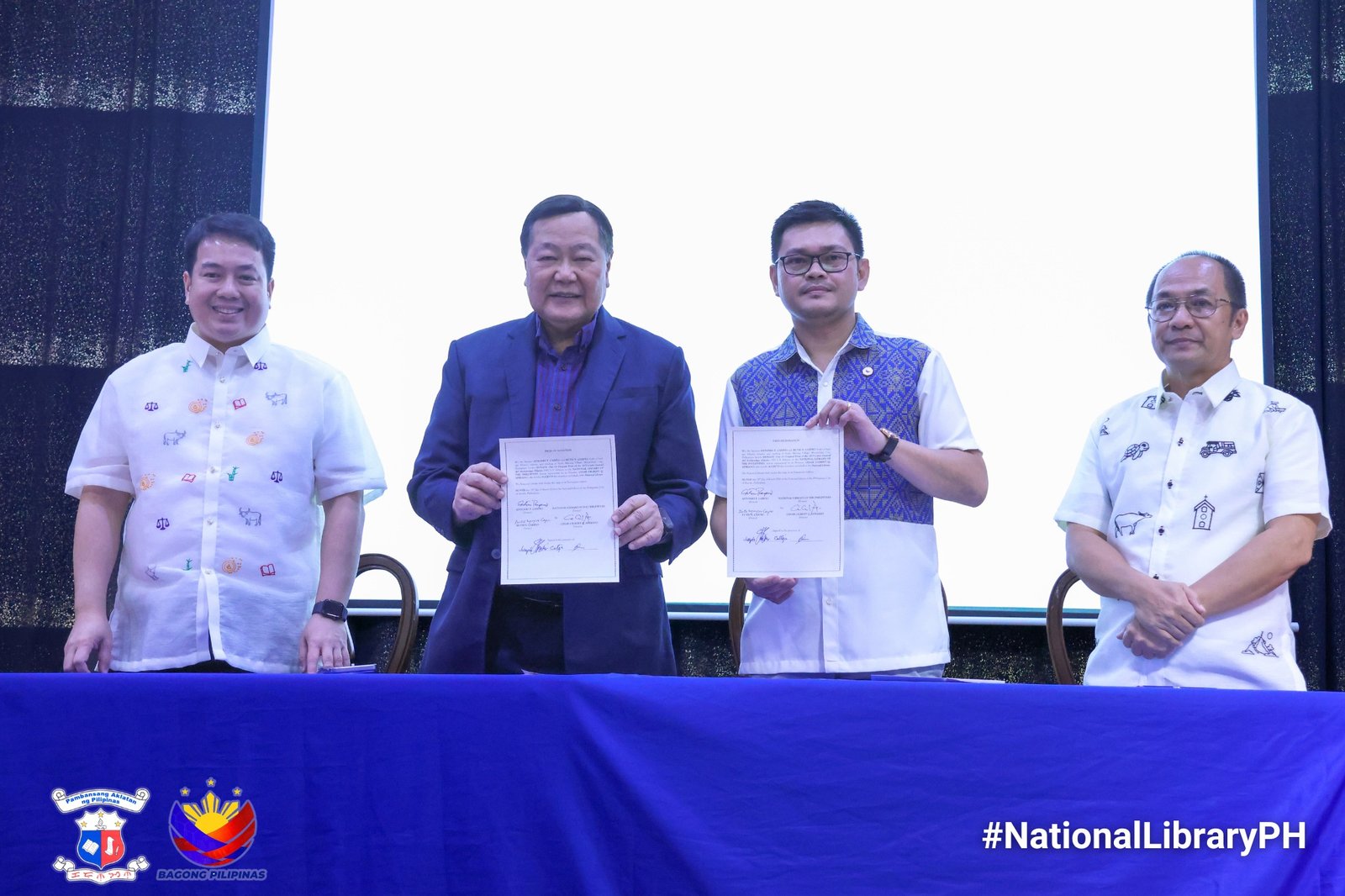
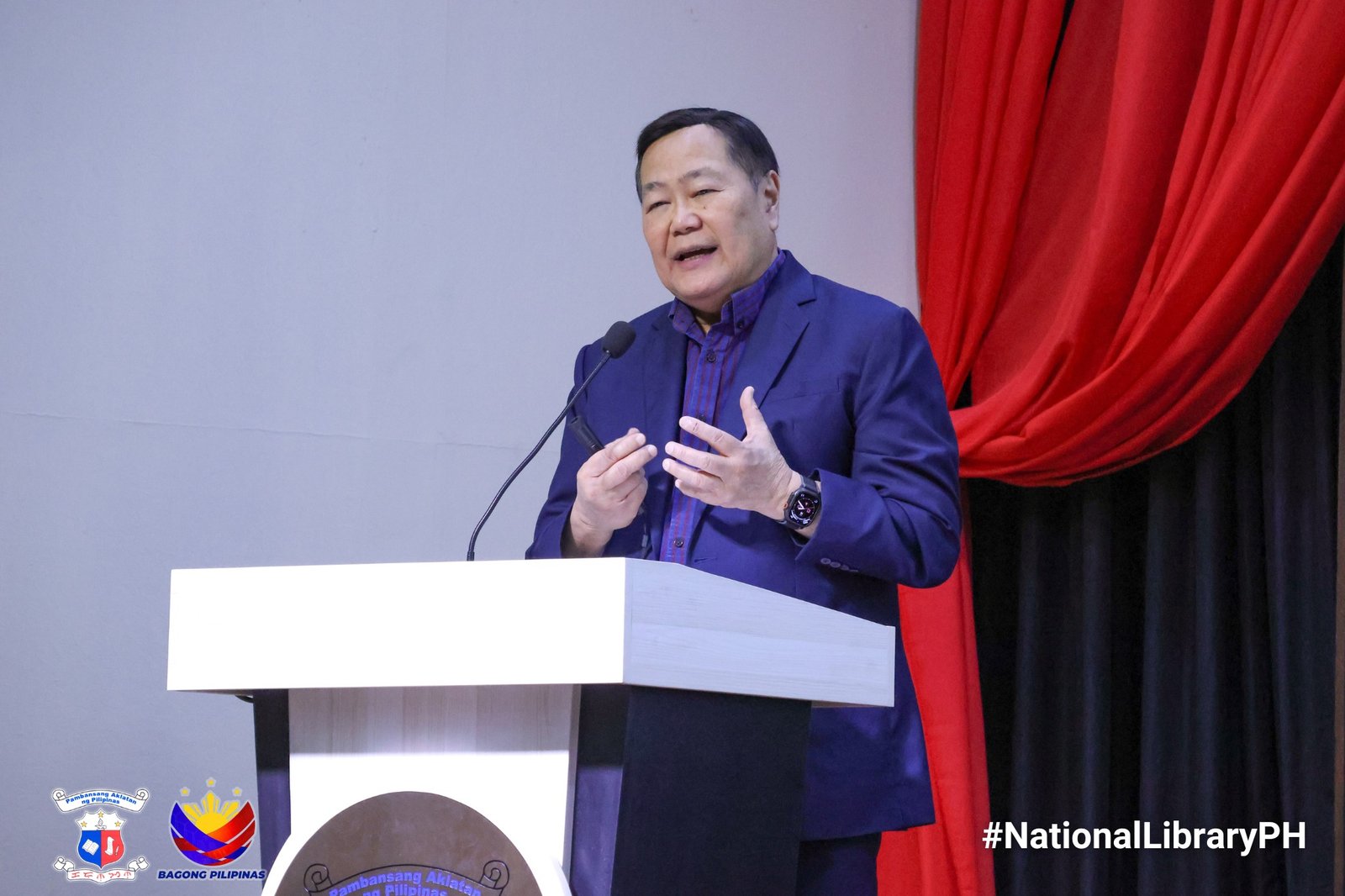
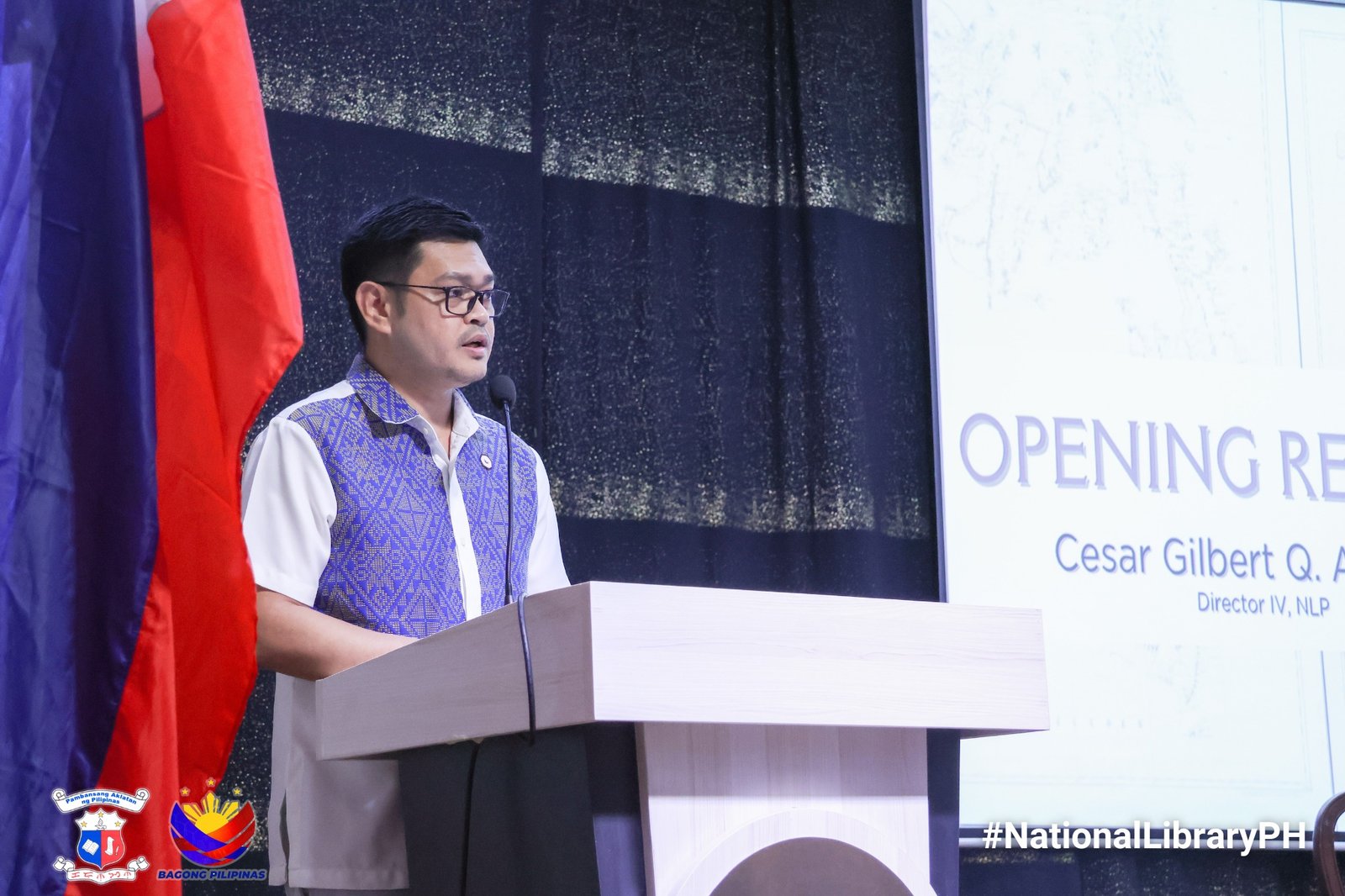
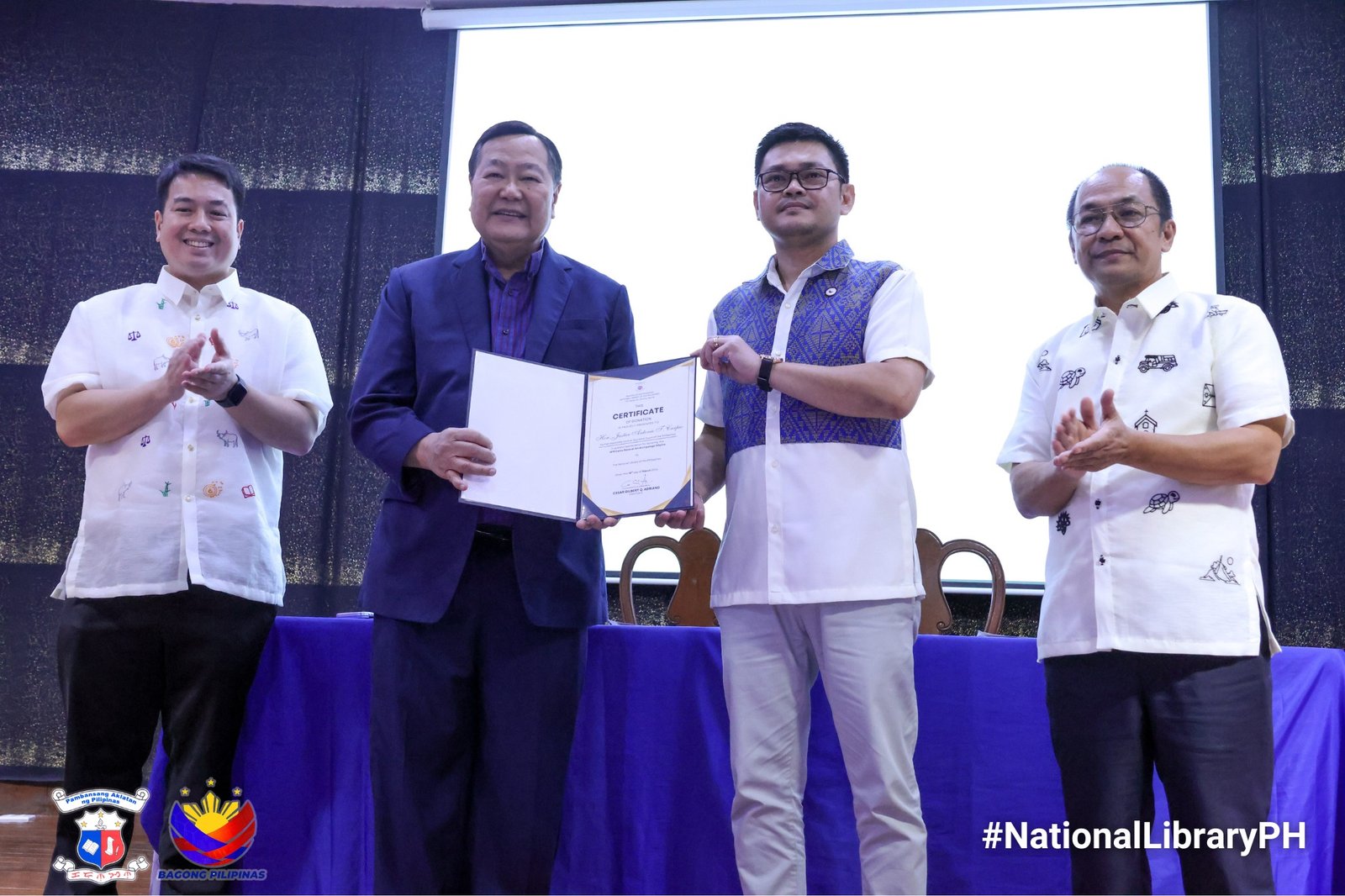
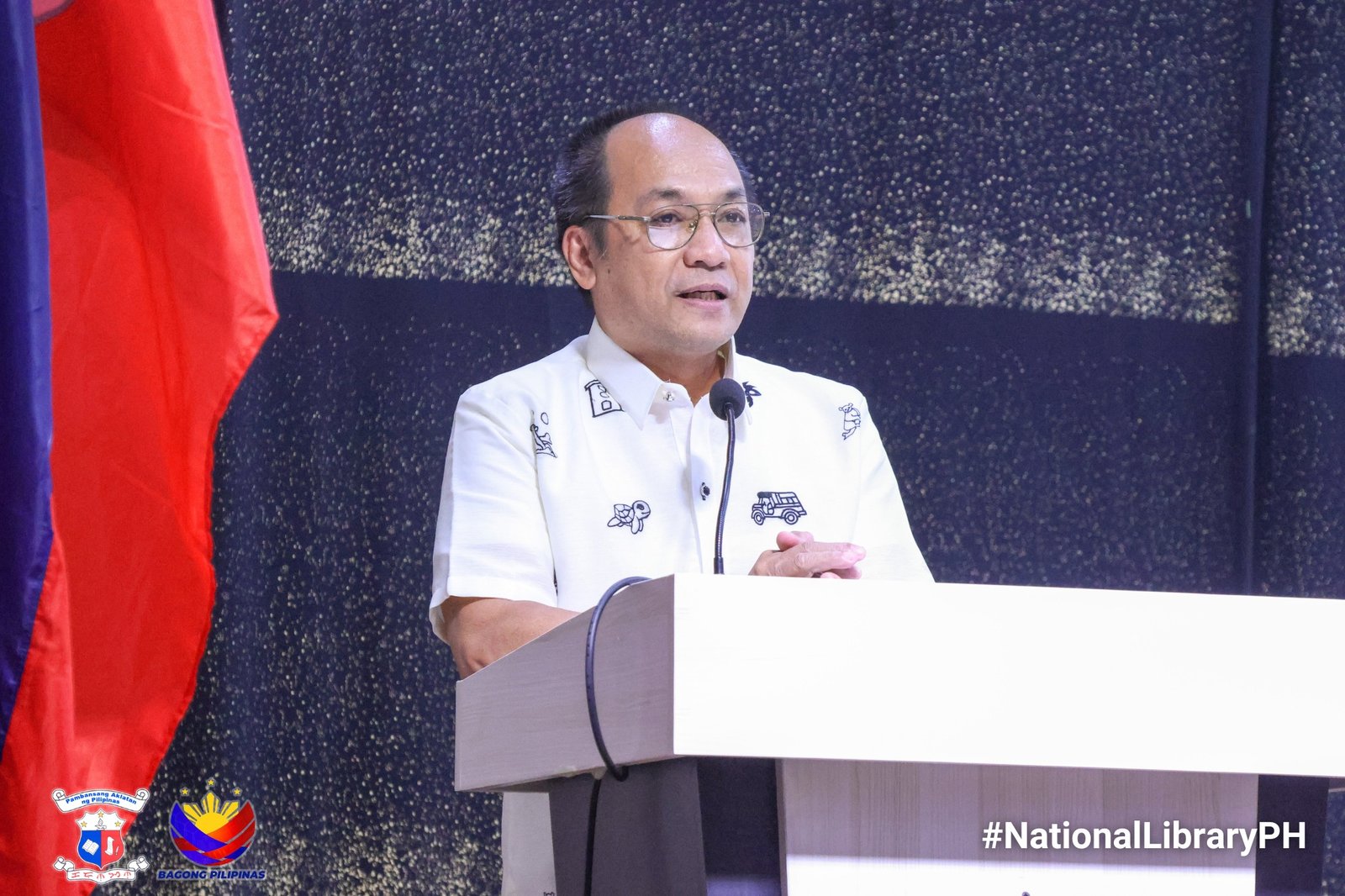
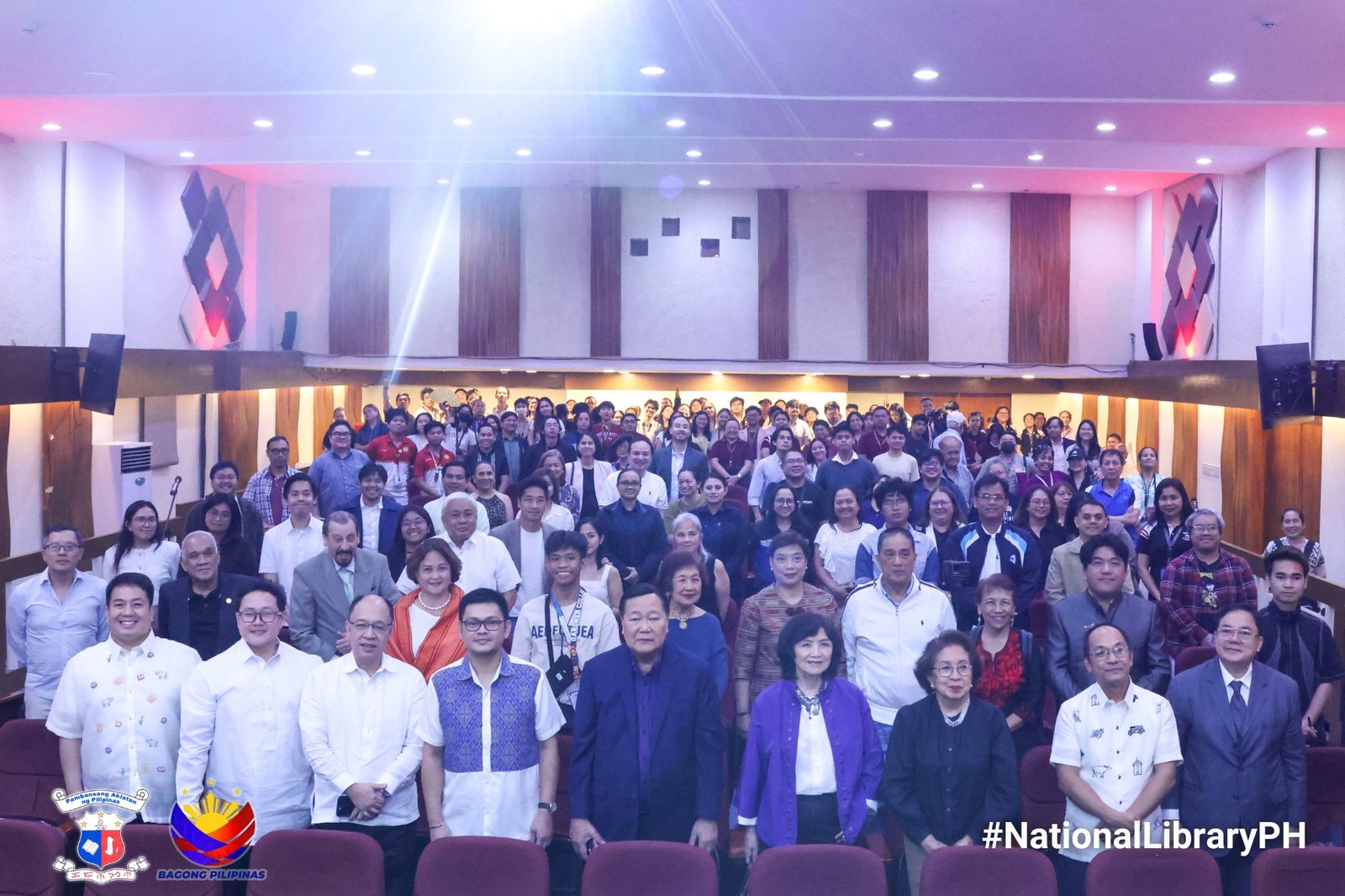
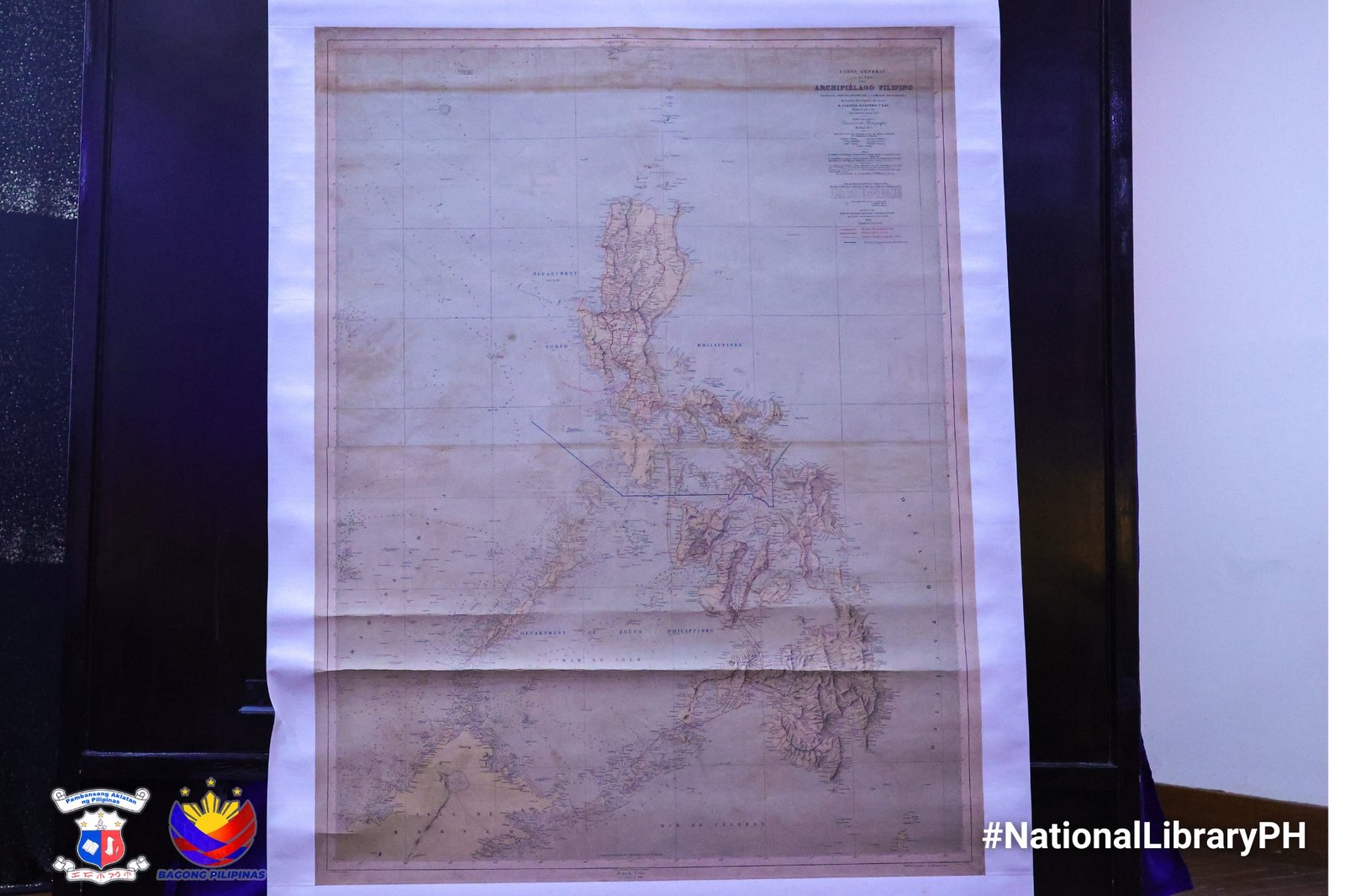


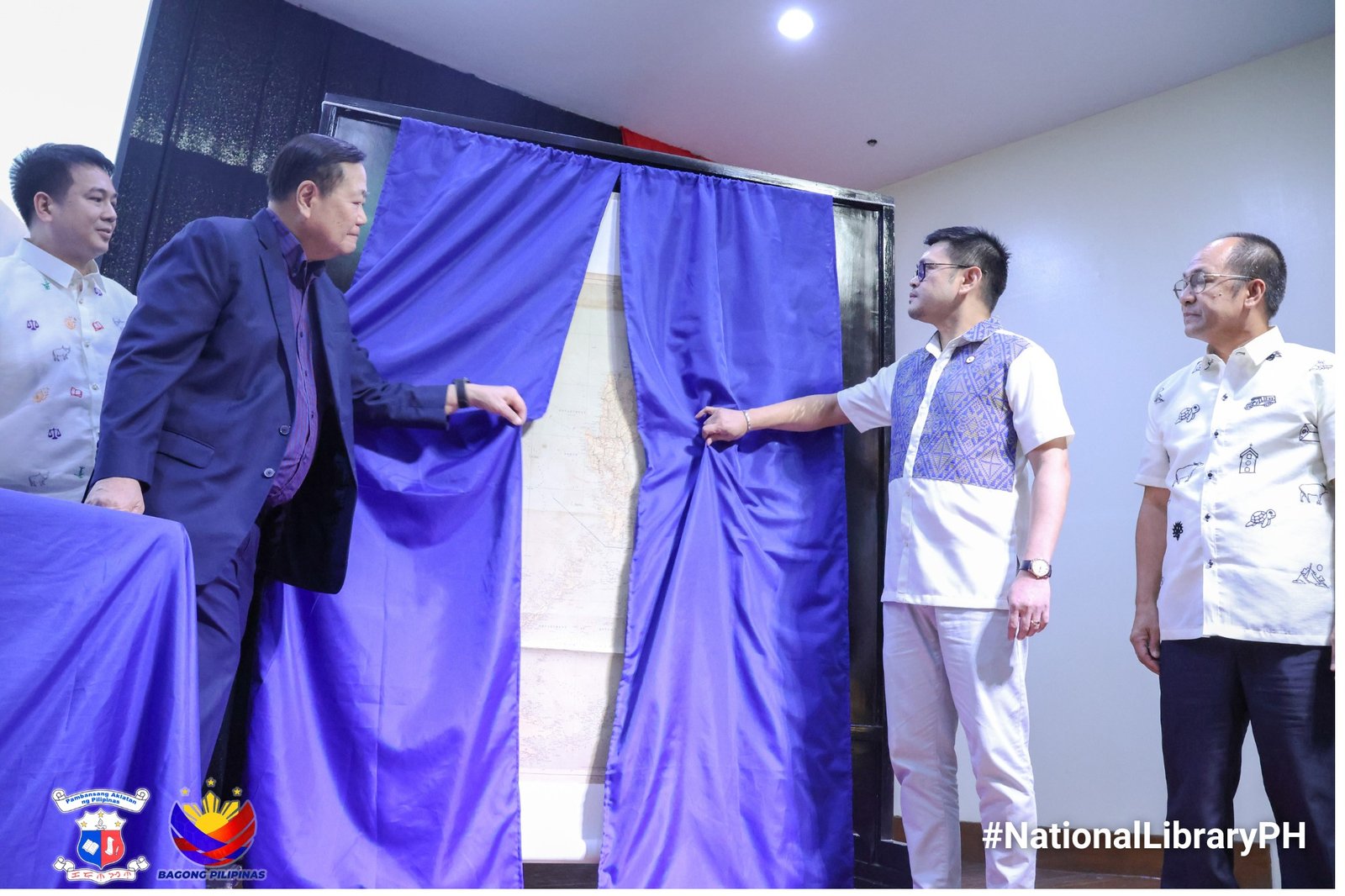
Retired Supreme Court Senior Associate Justice Antonio T. Carpio led a special presentation on the historical and legal significance of the 1875 Carta General del Archipiélago Filipino during its ceremonial turnover to the National Library of the Philippines.
The event marked the latest addition to the National Library’s growing collection of historical maps donated by Justice Carpio, following earlier contributions including the map attached to the 1898 Treaty of Paris and the 1808 Carta General del Archipiélago Filipino.
Overview of the Event
The program included:
- Welcome remarks from National Library officials
- Formal turnover and signing of the Deed of Donation
- Awarding of a Certificate of Appreciation to Justice Carpio
- A special lecture on the 1875 map and its implications for Philippine territory
- Open forum and question-and-answer session
Key Points from Justice Carpio’s Presentation
1. 1875 Map as Definitive Spanish-Era Reference
Justice Carpio described the 1875 map, produced under Spanish naval officer Captain Claudio Montero, as the most complete and detailed representation of Philippine territory during the Spanish period.
The map contains hydrographic surveys, depth soundings, and clearly delineates features extending westward into the West Philippine Sea.
2. Identification of Scarborough Shoal
The presentation clarified that:
- Panacot, Bajo de Masinloc, and Scarborough Shoal refer to the same feature
- Multiple historical maps from European cartographers consistently confirm this identification
3. Inclusion of the Kalayaan Island Group
Justice Carpio noted that the Spratly Islands appear in:
- The 1734 Murillo Velarde map
- The 1808 Spanish map
- The 1875 Carta General, where they are fully detailed
This progression shows continuous recognition of the area as part of Philippine territory during the Spanish era.
4. Treaty of Paris and Treaty of Washington
Justice Carpio emphasized the importance of the 1900 Treaty of Washington, which clarified that all islands belonging to the Philippine Archipelago—including those outside the Treaty of Paris lines—were ceded to the United States.
He noted that this treaty is often overlooked in discussions of Philippine territorial boundaries.
5. Application of International Law
The lecture discussed legal principles governing territorial claims, including:
- Sovereignty over uninhabited territories
- Jurisprudence from cases such as Island of Palmas, Clipperton Island, and Eastern Greenland
Justice Carpio explained that since Scarborough Shoal and the Spratlys were uninhabited, sovereignty could be established through first claim.
6. UNCLOS and Maritime Limits
Justice Carpio reiterated that:
- Territorial sea is limited to 12 nautical miles
- Exclusive Economic Zone extends to 200 nautical miles
He cited the Supreme Court ruling in Magallona v. Ermita affirming compliance with international law.
7. 2016 Arbitral Award
The arbitral ruling invalidating China’s nine-dash line was described as a key legal victory, although enforcement remains partial, particularly in areas such as Reed Bank.
Highlights from the Open Forum
During the Q&A session, Justice Carpio addressed several issues:
- The Treaty of Washington is not widely taught, contributing to misconceptions about Philippine territory
- He recommended filing additional arbitration cases on fishing rights and the extended continental shelf
- Joint development with China is only acceptable if Philippine law applies and sovereignty is preserved
- The Philippines faces challenges in enforcing its rights due to policy and strategic constraints
- He expressed support for rejoining the International Criminal Court (ICC)
- He cautioned against overreliance on the United States amid shifting global power dynamics
Closing
The National Library of the Philippines reaffirmed its commitment to preserving and promoting the country’s documentary heritage.
The 1875 Carta General del Archipiélago Filipino is now part of its permanent collection and will be made accessible to the public as an educational resource on Philippine history and territorial rights.
Download the full transcript and subtitle files: